Our story
The bubble is real.
I grew up in the United States, and like most Americans I didn't know how small my world was. We live in a bubble. Most of the planet lives very differently than we do, and you can't understand that from a screen. You have to go.
A small world in Utah
I grew up in a typical suburban neighborhood in Utah, with typical experiences. My foreign experience was close to nothing: one quick trip to Tijuana, just across the border.
A few months before I left on my mission, my sister, who was a flight attendant for Delta, took me along on one of her work trips to Tokyo. We had 24 hours on the ground, and it was Thanksgiving. We ate ramen in a tiny little restaurant and flew home. That was the extent of it.
Paraguay, at 19
Then I left for two years in Paraguay to serve a mission for The Church of Jesus Christ of Latter-day Saints. I left Utah in February, in the cold, and landed in the middle of summer. I hit the ground running. Day in and day out I was out with the people, eating bland food, parts of chicken I'd never touched, and meat I had zero idea about. My companion explained things in Spanish I didn't understand, so for the first month I got by on what I could see and feel.
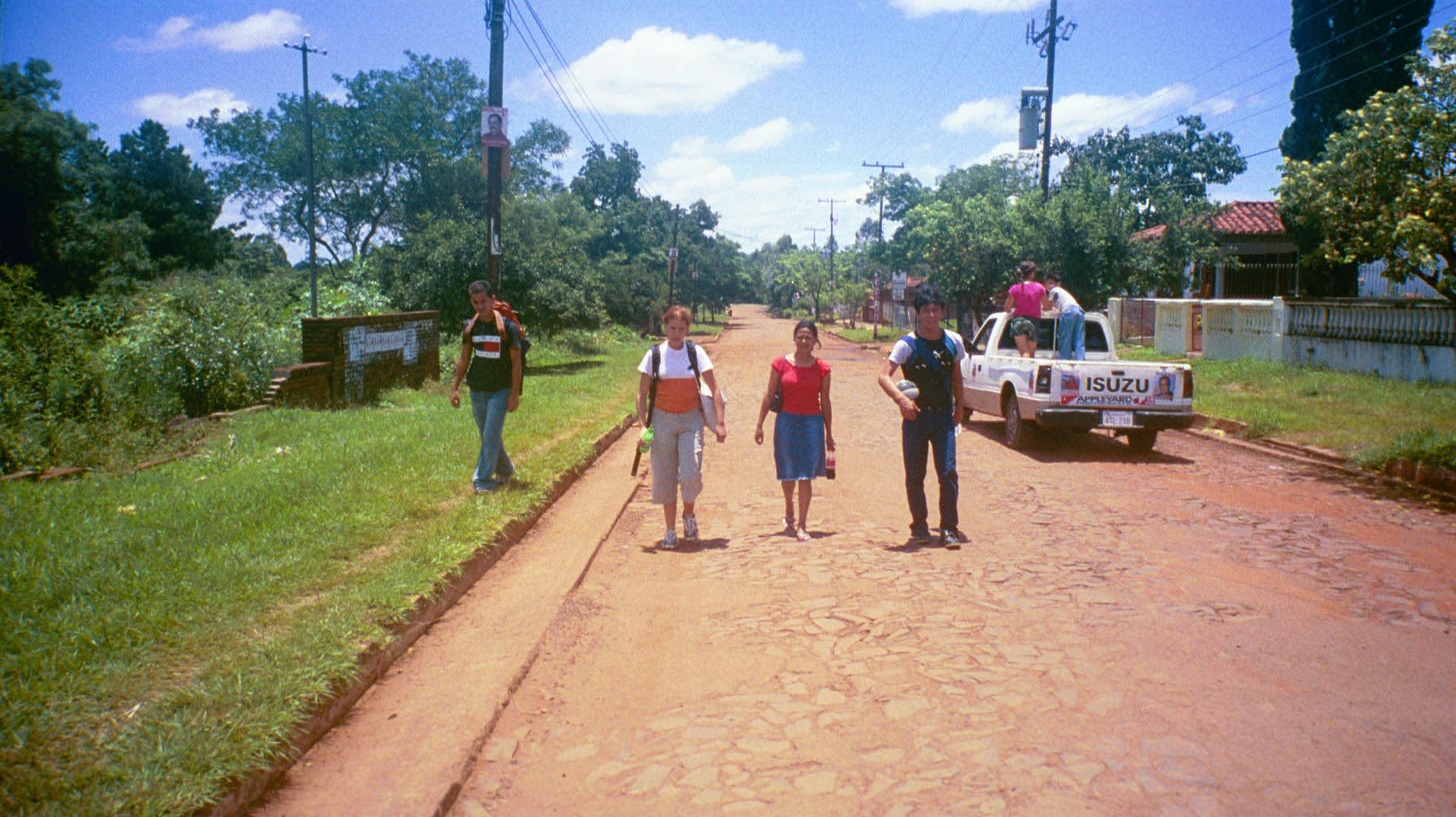
In my first apartment I woke up with ants all over me, and it happened more than once. We bought ant traps. It didn't matter. I happened to be sleeping in their path. Then I got used to it, and to the cockroaches and the spiders too. The toilet was a hole in the ground. In the U.S. we freak out over all of that. In Paraguay it was normal. The houses weren't airtight, so you lived with the environment and you survived.
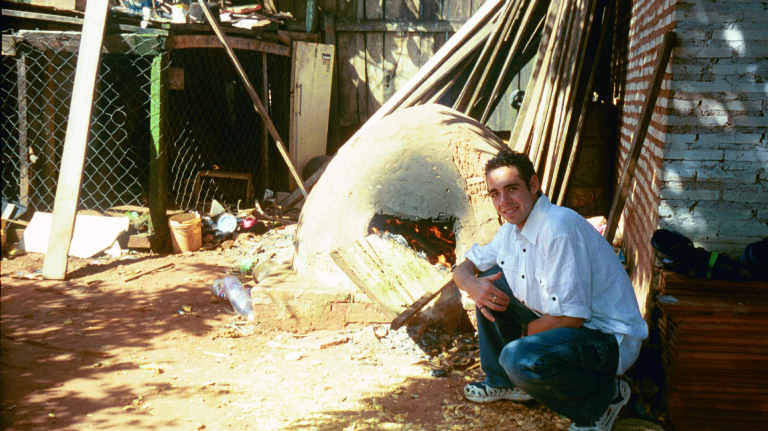
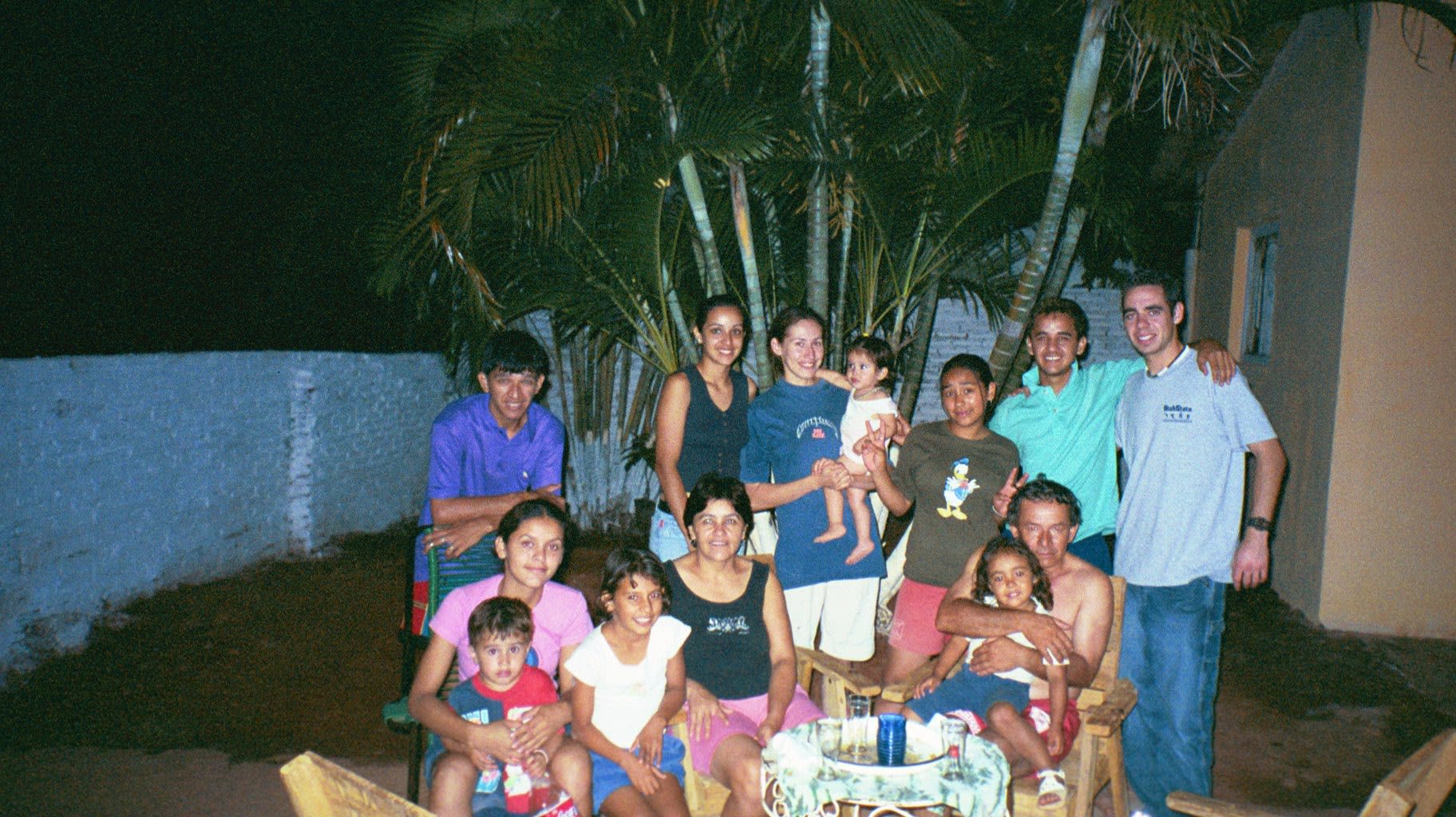
There was real poverty. Homes falling apart. No carpet. Fans instead of air conditioning, and air conditioning was a huge luxury. And the people, who had so little, were some of the happiest and most humble I've ever met. They would always offer you food and a drink, whatever they had, and they were always open to a stranger.
Coming home
Coming back to the United States after two years away, I appreciated a lot of things. The abundance of food. Refrigeration. In Paraguay you cooked the meat the day you bought it, from a donkey-drawn wagon that came through the neighborhood, because refrigeration wasn't common. Now I was standing in front of pantries stocked with food.
I got home right after Christmas, and my family was opening presents. Nothing against them. It was a normal Christmas, present after present after present. And I got a little nauseous. We are a consumer society, and I could suddenly see it. You don't need a lot in life to be happy. That was the big change in me.
I like to say I'm somewhat of a minimalist. When we travel it's one backpack per person. That's it, and we do fine. We wear the same clothes several days in a row. At home you have to change every day, and if you wore the same shirt twice in a few days you were made fun of for being poor. The rest of the world has it right. It isn't about the clothes you wear. It's about who you are and what you offer the people around you.
Then I got jaded, and went back out
Unfortunately, as time goes by, you start keeping up with the Joneses. I was itching to get back out, to feel what I felt on my mission. As a newlywed I spent two months in Southeast Asia, again out of one backpack, with very little clothing, buying only what we needed to get by.
The mission helped me grow up. For the first time I fed myself, did my own chores and paid my own bills, out from under my parents' roof and my own upbringing. Living more like a local, outside the United States, did the rest. It took me until I was 19 to get that appreciation. I want my boys to have it much sooner.
Day two in the Philippines
On our first trip to the Philippines, two or three days in, the boys asked us for change. Then they walked a couple of blocks to the local bakery and bought food on their own.
It's money in exchange for food. Nothing complicated. But they weren't afraid to do it, and they've done it in country after country since. A kid who figures out one bakery is a kid who'll figure out the next hard thing.
Three boys, one budget
We've traveled to 40+ countries together. Xander (15), Axel (12), and Enzo (10) are the reason this site exists. Summer after summer they see how real people live. By American standards it's poverty. In much of the world it's just normal life, and we take a lot for granted at home. We do it on a real family budget, and we show the receipts.
Comfortable being uncomfortable
I want my boys to grow up in situations that Americans would call uncomfortable, and to be comfortable in them. The more they do it, the more at home they feel. That is the whole skill: be uncomfortable on purpose, in small doses, so you're comfortable anywhere. We're not chasing hardship and we're not roughing it for show. The budget just makes it possible, and it makes the kids part of the trip instead of cargo.
What we believe
- 1
Discomfort is practice, not punishment.
A 3-hour bus today makes the 20-hour travel day easier.
- 2
A budget is a teacher.
Constraints turn kids into participants.
- 3
Real beats staged.
We eat where locals eat and sleep where we can afford to.
- 4
Comfortable is the goal.
Kids who feel at home anywhere.
See what it actually costs.
57 days, three countries, a family of five, every dollar tracked.